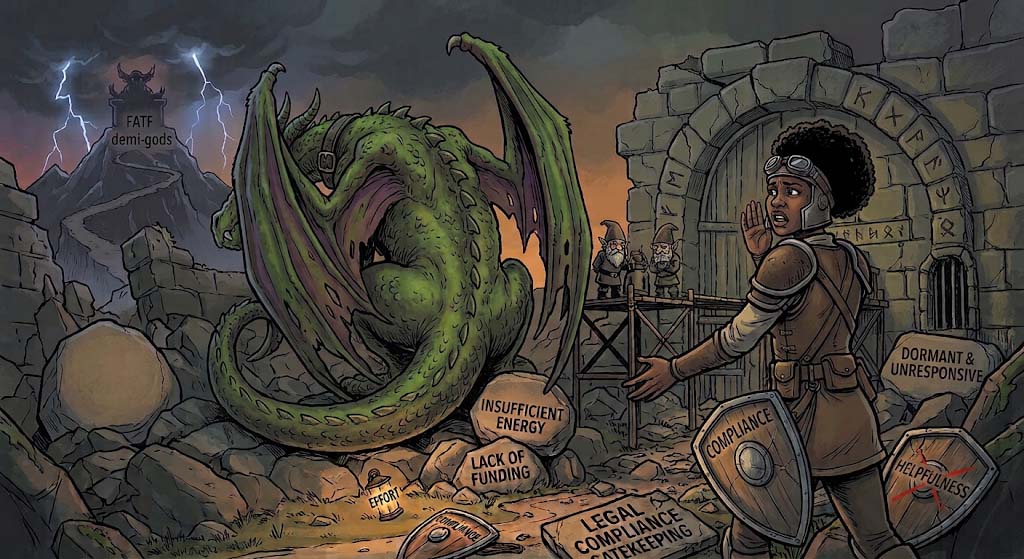
Those who have been following along may recall the first Octopus Bill (General Laws Amendment Bill /’GLAB’ 2022). The 2022 GLAB, in a bid to remove South Africa from the ‘grey list’, threatened to make accreditation under the Non Profit Organisation (“NPO”) Act compulsory for every non-profit in South Africa.
This ill-conceived plan was thwarted, based upon our submissions pointing out that:
- Compulsory registration for all was unconstitutional, infringing our rights to freedom of association;
- The sheer volume of registrations would break an already crumbling Department of Social Development (‘DSD’);
- It would not achieve what was intended, in that NPO accreditation does not lead to the sort of oversight required to satisfy the Financial Action Task Force(‘FATF’); and
- It was not what FATF was asking for. A risk-focused approach was required, one which identified the sorts of NGOs likely to be used/abused for money laundering or terrorist financing leading to meaningful oversight for this group.
Our arguments prevailed, and the 2022 GLAB became an Act containing a much reduced requirement: compulsory NPO accreditation for organisations conducting certain sorts of activities outside of South Africa, or funding certain types of activities outside of South Africa.
In the four years since Octopus/GLAB 1:
- organisations falling into these compulsory categories and who were aware of this new requirement have been applying for NPO accreditation;
- DSD conducted a major clean-up of the outdated NPO register, issuing (according to DSD statements) 41,787 notices of non-compliance, with a total of 6,221 organisations losing NPO accreditation as of June 2025. Many of these organisations had never filed reports. And a large proportion were probably failed or closed organisations;
- DSD introduced an online registration system which is clunky but (intermittently) . (Connections with Home Affairs slow things down. The system-embedded misperception that all of those on boards would have South African IDs has been problematic. Questions on applications are no directed to useful places);
- DSD launched the online reporting However, this system was not at launch, and is still not in working order. Because of this failure, DSD provided (various and changing) email addresses to which reports could instead be submitted. Obtaining confirmation that these reports have been received has been a major difficulty.
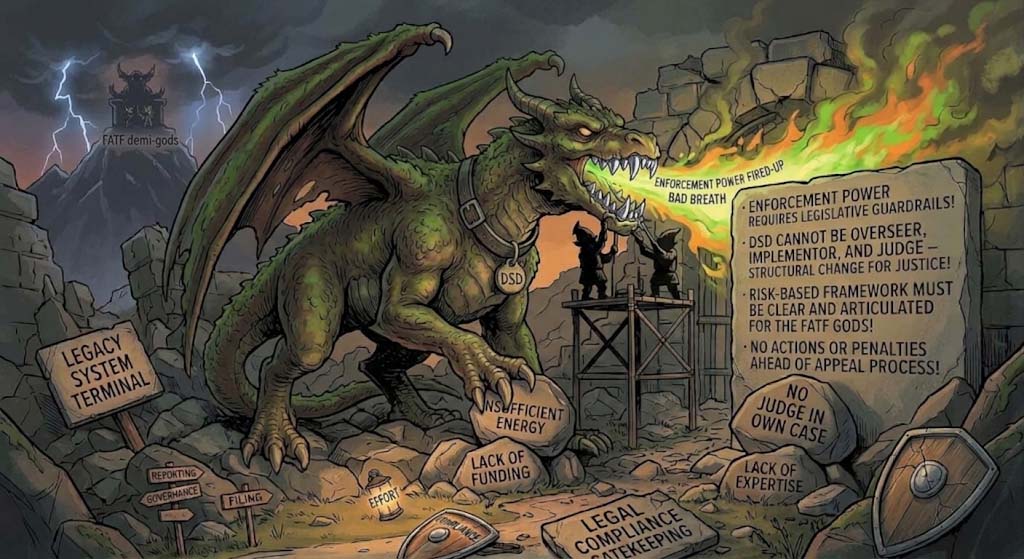
These difficulties with registration and reporting are annoying administrative failures, and an immense waste of time and energy for organisations which are called away from actually delivering services to do battle with the intransigent and grumpy old dragon which is DSD.
However, the issue is more than just irritation and time wasted: The major issue with the failures of these systems is that the grumpy old dragon is now the gatekeeper to legal compliance for organisations for whom registration (and annual reporting) is now not a voluntary nice-to-have, but required by law.
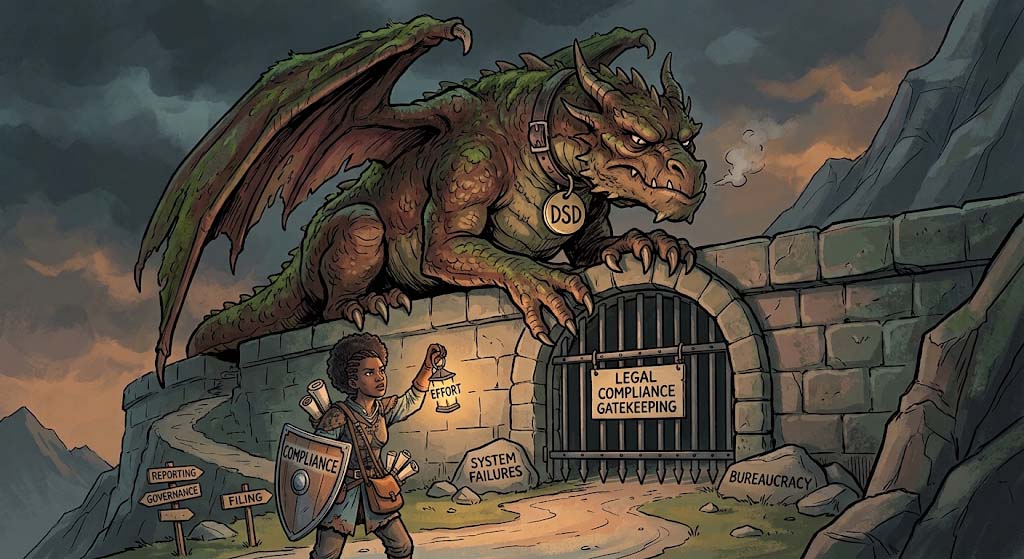
Organisations which fall into the compulsory category and who fail to fight their way past the dragon are in breach of statutory requirements. Banks (ever on the hop for the twin-headed beast of FICA-FATF) would be within their rights to close or freeze bank accounts for these non-compliant organisations.
Then there are those who are compelled to attain and retain NPO accreditation for other reasons, such as:
- Social/welfare organisations who receive funding from DSD and so must have the status;
- Organisations who want to apply for Lottery funding: Lottery will not look at funding applications unless they bear the NPO stamp of approval; and
- Many well-meaning donors and boards still cling to the idea that NPO accreditation adds credibility to organisations and reduces the risks in funding them.
For all of these very good and in some cases existential reasons, a functioning, accessible, understandable NPO application and reporting system is crucial.
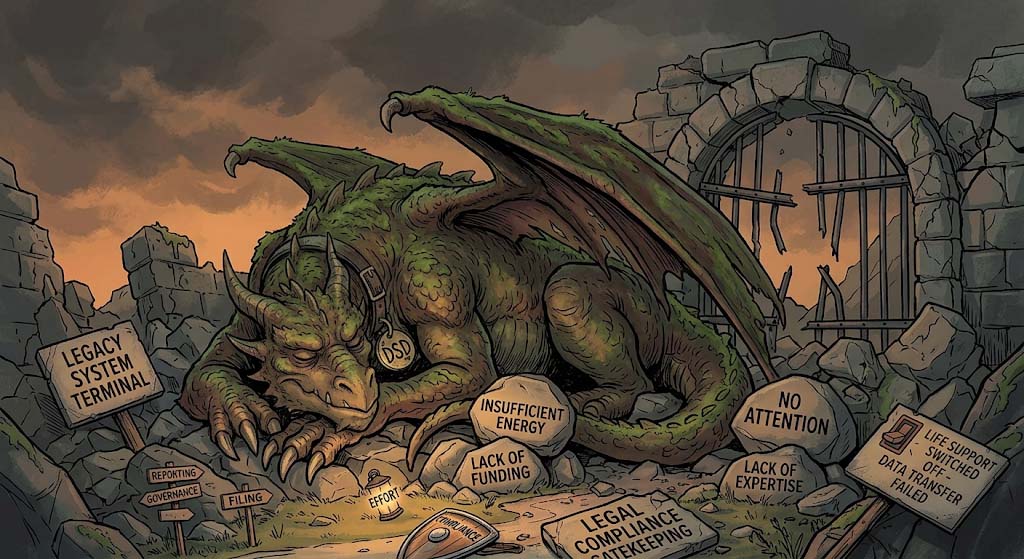
But the DSD beast is a sloucher. Despite all of the compelling and urgent reasons for the NPO system to have been made functional over the last four years, it is clear that insufficient energy, attention, funding, expertise and political will have been applied to the problem. (‘Insufficient’ understates the matter, in fact.) And the ‘legacy’ (old) NPO system has not been able to transfer data into the (struggling) new one for some time. It has also, as of about a week ago, been pronounced terminal. It’s life support has been switched off by the tech teams.
I hope you are still with me, because now comes the really scary part.
Into this landscape of crumbled ancient and stillborn new systems has been introduced Octopus Bill 2.
The return of the Octopus is GLAB 2026 and, in the NPO corner of GLAB 2026, is language making it clear that DSD now is not just encouraging and supporting non profits, but will also now have “enforcement powers”. The dragon is being given teeth, and its bad breath is now all fired-up.
The NPO Working Group (assisted by ngoLAW) has been hard at work since GLAB/Octopus 2 landed, first working behind the scenes with some stakeholders and drafters (and winning some technical but important drafting points) and then making submissions to the Parliamentary Standing Committee on Finance.
There were two opportunities for submissions to be made: In the first we had 10 minutes, and then four minutes in the second meeting. As you can imagine, we really had to pack it in, giving the committee context and also an understanding of the importance and impact of the issues before them.
What was truly wonderful about those sessions was the number of people and organisations presenting for the non profit sector and that we all spoke with one voice saying essentially that:
- enforcement powers could not be granted unless guardrails were also placed in the legislation;
- DSD could not be overseer, implementor and then judge in its own cases, and that structural changes need to occur for administrative justice to be served;
- the risk-based framework needed to be clear and articulated, for it to be followed and also be compelling to the FATF “demi-gods”;
- no actions or penalties should be permitted ahead of an appeal process running its course.
For those who want all the detail of what was said, the full submissions made by Chelsea Swanepoel and Nicole Copley are at the end of this brief.
I wish I could report that we were heard and that the Bill was adjusted accordingly. Sadly, the drafters seemed, in our last engagement, to have pushed back and be holding ground with a minimalist approach which they hope will tick FATF boxes (we think it will not!) but without any of the guardrails requested.
As of date of writing, the NPO working group and friends have had other meetings with stakeholders and now there is silence.
And into that silence falls the DSD announcement that, with effect from 15 October 2026, the Beast has no more email addresses at which NPO reports may be lodged but that the online reporting system must be used. And, as anyone who has tried to file NPO reports online knows, the online reporting system is not in working order! DSD reports that 2000 successful annual reports have been lodged as proof of the new system working but their correspondence does not specify whether those reports were lodged through the online portal or received via email and subsequently processed by DSD. In the context of the sector, this figure accounts for less than 1% of all NPOs registered. DSD also gave a figure of 4,000 successful registrations. Registration has generally been the most functional aspect of the new system, and we have experienced much more manageable issues with registrations than the hurdles put up to the linking of organisations and the submission of compliance reports